Hank: Navigating the Path of Innovation in Commercial Real Estate

Hank: Navigating the Path of Innovation in Commercial Real Estate

On February 25th, 2025, the Carlsen Center for Innovation and Entrepreneurship and StartupSac hosted an illuminating Startup Happy Hour at Venture Labs in Roseville, featuring a candid fireside chat with Jerremy Spillman, Founder and Chief Revenue Officer of Hank. Hank has been a regular feature at CleanStart.

The Experimental Odyssey of a Tech Startup

Spillman’s narrative was less about a linear success story and more about persistent experimentation. Hank.re’s journey was characterized by continuous pivoting, testing, and refining their value proposition in the complex world of commercial real estate technology.

Searching for the Right Market Fit

The startup’s early days were marked by relentless exploration. Initially targeting HVAC technicians, Spillman and his team quickly realized this approach wasn’t optimal. Through careful observation and multiple iterations, they discovered that building and campus owners represented a more promising go-to-market strategy.

The Power of Persistent Iteration

“We were constantly experimenting,” Spillman shared. Each pitch, each conversation, each potential customer interaction was an opportunity to understand their product’s true value. This approach of continuous learning and adaptation became the cornerstone of Hank’s development.

A Partnership of Brilliance

Spillman spoke warmly about his co-founder Zach Denning, describing him as “brilliant” and crucial to their exploratory process. Their complementary skills allowed them to navigate the complex landscape of AI-powered building management.

The JLL Relationship: A Testament to Value Creation

While discussing JLL (NYSE: JLL), Spillman emphasized not just the relationship, but how Hank’s relentless innovation made them an attractive partner. The acquisition was a result of their proven ability to deliver tangible value through their AI-powered platform.

The Personal Touch: Why “Hank”?

In a charming aside, Spillman shared the origin of their company name. He and Zach wanted to personalize their AI engineer, giving it a human touch that reflected their approach to technology.

Technology That Solves Real Problems

Hank’s cloud-based platform demonstrates the power of targeted innovation:

  • Autonomously optimizes building management systems
  • Improves energy efficiency
  • Enhances air quality
  • Reduces maintenance costs
  • Increases net operating income for real estate investors

Deeper Insights

For those curious about Hank’s evolutionary journey, CleanStart has previously documented their progress:

The Startup Happy Hour, sponsored by the City of Roseville, offered a raw, unfiltered look into the messy, exciting world of technological innovation—where success is less about a perfect plan and more about persistent experimentation.

Sponsored by the City of Roseville and hosted by StartupSac and the Carlsen Center for Innovation and Entrepreneurship

Thomas Hall

ABOUT THE AUTHOR

Thomas is the Executive Director of CleanStart. Thomas has a strong background in supporting small businesses, leadership, financial management and is proficient in working with nonprofits. He has a BS in Finance and a BA in Economics from California State University, Chico. Thomas has a passion for sustainability and a commitment to supporting non-profits in the region.

Sponsors

SMUD
ChicoSTART

Miguel Arumbula’s Entrepreneurial Journey with Valley Adobe

Miguel Arumbula’s Entrepreneurial Journey with Valley Adobe

On February 27, we hosted Miguel Arumbula, CEO of Valley Adobe, on our Perspectives webcast. He shared his inspiring story of building a company from the ground up—literally. Miguel’s journey is a testament to innovation, perseverance, and the power of sustainable building materials.

Miguel Arambula

From Landscaping to Sustainable Innovation

Miguel Arumbula founded Valley Adobe after years of experience in the landscaping business. His goal was to modernize a 10,000-year-old building material: adobe bricks. Adobe bricks are not only aesthetically pleasing but also versatile and eco-friendly. Miguel wanted to replace traditional concrete bricks, which contribute significantly to carbon dioxide emissions during production.

Initially, Miguel believed the landscaping market would be the easiest entry point for his adobe bricks. However, he quickly discovered that his product had far broader applications. Customers began requesting his blocks for affordable housing, saunas, fences, gates, and more. This unexpected demand led Miguel to develop an interlocking, cement-stabilized earth block, sometimes reinforced with fibers for added strength and durability.

Key Lessons from Miguel’s Entrepreneurial Journey

Miguel’s story is packed with valuable insights for aspiring entrepreneurs. Here are the key takeaways from his experience:

1. Start Small, Scale Wisely

While volume is crucial for reducing costs, Miguel found success by starting small. By accepting smaller orders initially, he was able to refine his product formulations and iron out manufacturing details.

2. Hands-On Learning Pays Off

Miguel began by hand-making his adobe bricks, which gave him a deep understanding of the production process. Only recently did he invest in a brick-making machine to increase production volume.

3. Listen to Your Customers

Miguel discovered that his best-selling product wasn’t what he initially expected. By paying attention to customer feedback, he was able to pivot and meet market demands effectively.

4. Target the Right Audience

He identified a niche group of customers who valued the unique features of his product and were less price-sensitive. Focusing on this group helped him secure early sales and build a loyal customer base.

5. Build a Network Through Word of Mouth

Most of Miguel’s sales have come from a growing network of connections and word-of-mouth referrals. This organic growth has been instrumental in expanding his business.

6. Embrace Challenges as Opportunities

Miguel found that his team performed best under pressure, especially when fulfilling large orders. These challenges pushed them to innovate and improve their processes.

7. Navigate Regulations Early

Meeting building regulations was more critical than Miguel initially realized. To use his blocks for general construction, he had to undergo rigorous testing and iterate his product to comply with local building codes.

8. Bootstrap Your Way to Success

Miguel has avoided taking on investors, preferring to bootstrap his business. He won $2,000 at a pitch competition and secured a contract with a local agency providing buildings for low-income tenants, which helped fund his growth.

9. Keep Costs Flexible

By avoiding large fixed costs, Miguel has maintained financial flexibility. He leased a manufacturing facility and purchased a brick-making machine but kept his workforce size variable to adapt to demand.

10. Think Long-Term

Miguel’s ultimate goal is to set up production plants and market his sustainable bricks widely. However, he plans to proceed cautiously, building a portfolio of successful projects and thoroughly testing his products before scaling further.

Watch the Full Webcast

For more insights into Miguel Arumbula’s entrepreneurial journey, watch the full Perspectives webcast on our YouTube Channel.

Gary Simon

ABOUT THE AUTHOR

Gary Simon chairs the CleanStart Board, bringing with him a wealth of experience from over 45 years in business, government, and non-profit sectors. Gary applies his deep understanding and experience to support the growth of clean energy initiatives and startups. His work is instrumental in guiding the organization towards achieving its goals of promoting sustainable energy solutions.

Sponsors

SMUD
ChicoSTART
RiverCity Bank
Moss Adams logo

CalTestBed: Accelerating Clean Energy Innovation

CalTestBed: Accelerating Clean Energy Innovation

CleanStart’s recent discussion about the CalTestBed Opportunity offers an exciting opportunity for clean energy entrepreneurs and innovators. In this blog post, we’ll delve into the key points covered during the discussion and why it matters.

CalTestBed: Accelerating Clean Energy Innovation

Apply for CalTestBed Here

The discussion, hosted by Thomas Hall, the Executive Director of CleanStart, featured Rachel Yu, Senior Program Manager at CalTestBed. The primary focus was on CalTestBed, a voucher and commercialization program designed to support clean energy entrepreneurs in California.

Key Takeaways:

1. Introduction to CalTestBed: CalTestBed is a vital part of the California Clean Energy Fund (CalCEF) ecosystem. It provides financial support, specifically testing vouchers worth up to $300,000, to companies and individuals looking to validate their clean energy technologies.

2. Program Eligibility: To be eligible for CalTestBed, applicants must align with the program’s goals of benefiting California ratepayers. Prototypes should fall within Technology Readiness Levels (TRL) 5 to 7, and they should have a hardware component.

3. Supported Technology Types: CalTestBed supports a wide range of clean energy technologies, including building technologies, energy efficiency, energy storage, grid technologies, industry and agriculture, IoT, material-based renewables, transportation, and water technologies.

4. Application Process: The application window for CalTestBed opens on October 27th and closes on November 22nd. Applicants go through a screening process for eligibility and are then scored by technical reviewers based on innovation, feasibility, scalability, and market potential.

5. Networking and Support: Participants in the program gain access to a network of technical experts, opportunities to present to industry partners, and additional funding opportunities. They can also access the New Energy Nexus global community and network.

6. Success Stories: CalTestBed has successfully supported numerous clean energy companies in increasing their TRL levels and securing additional funding. It’s a valuable resource for companies looking to bridge the gap between technology development and commercialization.

Looking Ahead: CalTestBed’s Fourth Cohort

As CalTestBed embarks on its fourth cohort, there’s excitement about what lies ahead. The program is evolving, with plans for in-person symposiums and expanded support. Entrepreneurs, especially those from underrepresented communities and regions like the Central Valley, are encouraged to explore this opportunity.

Action Steps:

  1. Apply for CalTestBed: The application window opens on October 27th and closes on November 22nd. Visit the CalTestBed website to get started and access the application materials.


  1. Prepare: Your Application: Ensure your application aligns with the program’s eligibility criteria and clearly addresses innovation, feasibility, scalability, and market potential. Avoid overlooking the importance of how your technology benefits California ratepayers.


  1. Engage: with CleanStart: CleanStart can provide guidance and support throughout the application process. Reach out to them for insights and assistance.


Conclusion:

CalTestBed presents a remarkable opportunity for clean energy entrepreneurs in California. It not only offers financial support for testing but also opens doors to a network of experts and potential future funding. As clean energy innovation continues to drive progress toward a sustainable future, programs like CalTestBed play a crucial role in propelling these innovations from the lab to the market. Don’t miss your chance to be a part of this exciting journey. Apply, innovate, and accelerate with CalTestBed.

Watch the full discussion here.

Thomas Hall

ABOUT THE AUTHOR

Thomas is the Executive Director of CleanStart. Thomas has a strong background in supporting small businesses, leadership, financial management and is proficient in working with nonprofits. He has a BS in Finance and a BA in Economics from California State University, Chico. Thomas has a passion for sustainability and a commitment to supporting non-profits in the region.

Sponsors

SMUD
ChicoSTART

Microgrid Development:  A Hot Topic

Microgrid Development: A Hot Topic

At our in-person MeetUp at the California Mobility Center in the evening of June 1, we brought up one of the hottest topics in clean tech—microgrids.  The discussion was not disappointing. We have had three prior discussions on the spread and benefits of microgrids, so this was more of an update on the state of play.  

California has been slow in adopting microgrids, due to the perceived problems in harmonizing their operation with overall grid operations.  Customers clearly see benefits in terms of lower costs and better reliability, but the utilities want to be sure there are public benefits as well.

Allie DeTrio, Chief Strategist for ReImagine Power, and Senior Advisor for the nationwide  Microgrid Resources Coalition, provided the proponents’ views, while Patrick McCoy, a strategic business planner from SMUD, described why utilities are being cautious. The problem boils down to having enough control of the microgrids to make them assets to the larger system rather than a source of concern.  But control requires investment in sensors, switches, communication and software that can be expensive and at this stage might be too rudimentary to work well.

Patrick noted that control is easier and cheaper if there is a big power source that is set up to be harnessed within the microgrid.  Back east that source is often a diesel or microturbine generator, usually running on natural gas.  In his view, that accounts for the more rapid pace of deployment of microgrids there.  In California, in contrast, statutory and regulatory policy requires avoiding the use of such generators.  Instead, the most likely substitute is a large battery storage system or extensive load controls to achieve the same thing—or both.  But that’s a costly alternative and one not completely proven.  The audience raised the point about using EVs connected to a two-way charger as part of the solution, since those batteries would not need to be purchased just for the microgrid.

The proponents counter that the utility is not paying microgrids enough for all the services they can provide the grid and that some courage in proceeding to demonstration projects could resolve the debate.  

Fortunately, it looks like California will see some of those demos.  SMUD will be doing some pilot projects this summer, paying a $2500 incentive up front along with performance payments for the services provided. Under a CPUC rule, the investor-owned utilities will be offering a different version of a “Microgrid Incentive Program”.  The program rules adopted in April for the MIP establish a $200 million program previously authorized by the CPUC to support the development of community microgrids in disadvantaged and vulnerable communities, as well as tribal communities, who have experienced and are likely to experience power outages. It allocates $79.2 million for PG&E, $83.3 million for SCE, and $17.5 million for SDG&E to build complex projects that can operate independently for extended periods and serve multiple customers in disadvantaged and vulnerable communities. Projects selected under the MIP can receive up to $15 million in award funding. The Decision aims to advance microgrid resiliency technology, distribute the benefits of microgrids equitably across these vulnerable communities, and provide insights for future actions that can enhance the resilience of the power system to benefit all customers.

Those programs should be a flag for innovators out there to craft business ideas to take advantage of the incentives both now and in the future.  Money is on the way.  Policy is aligned to promote microgrids.  What ideas do you have to make microgrids more attractive that could be a business?

This topic will be with us for a long time.  Don’t miss the next installment as we return to the subject in 2024.

Thomas Hall

ABOUT THE AUTHOR

Gary Simon is the Chair of CleanStart’s Board. A seasoned energy executive and entrepreneur with 45 years of experience in business, government, and non-profits.

CleanStart Sponsors

Weintraub | Tobin, BlueTech Valley, Revrnt, River City Bank

Moss Adams, PowerSoft.biz, Greenberg Traurig, California Mobility Center

PowerUp Recap: Wine and Clean Energy Innovation

PowerUp Recap: Wine and Clean Energy Innovation

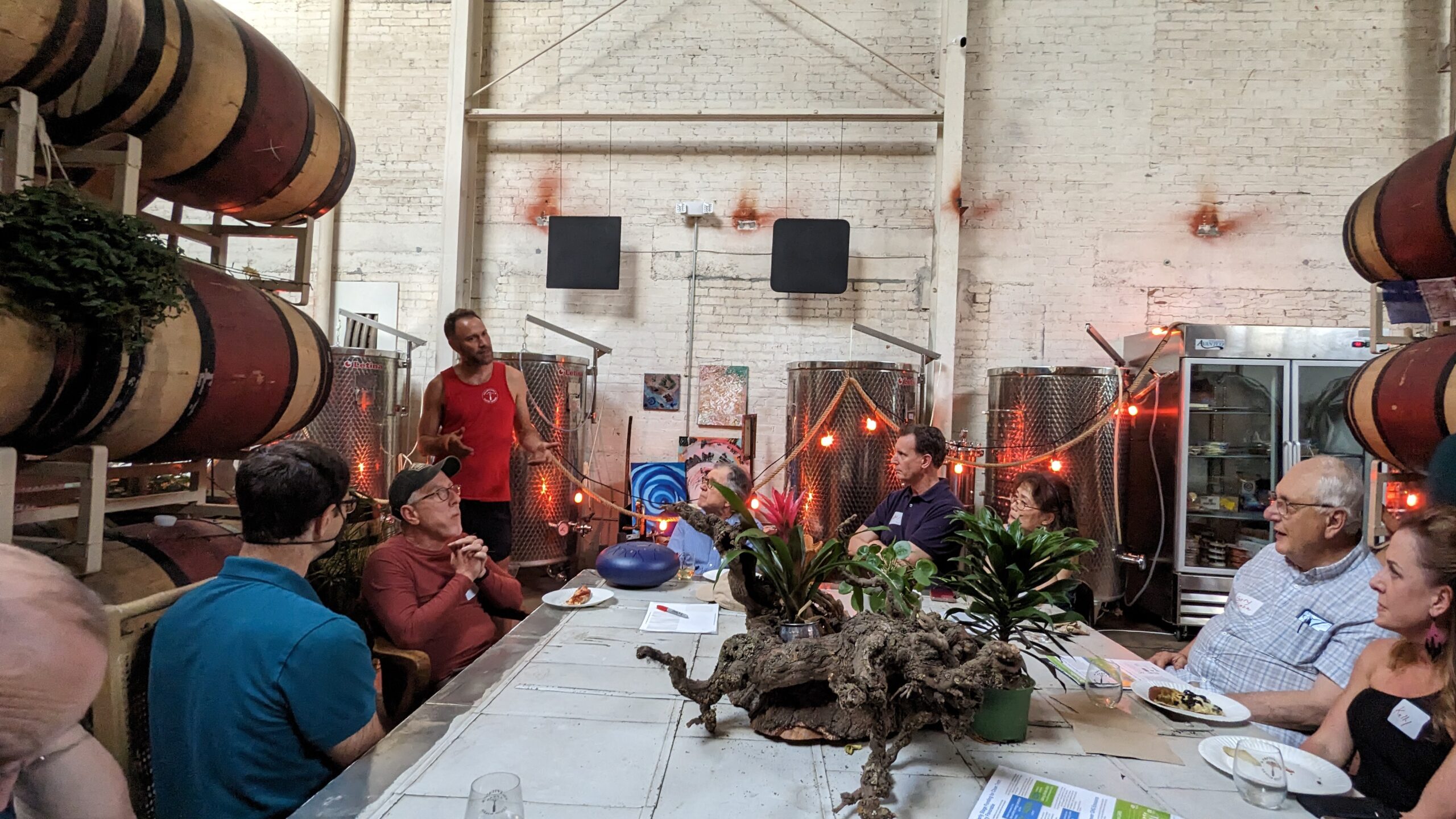
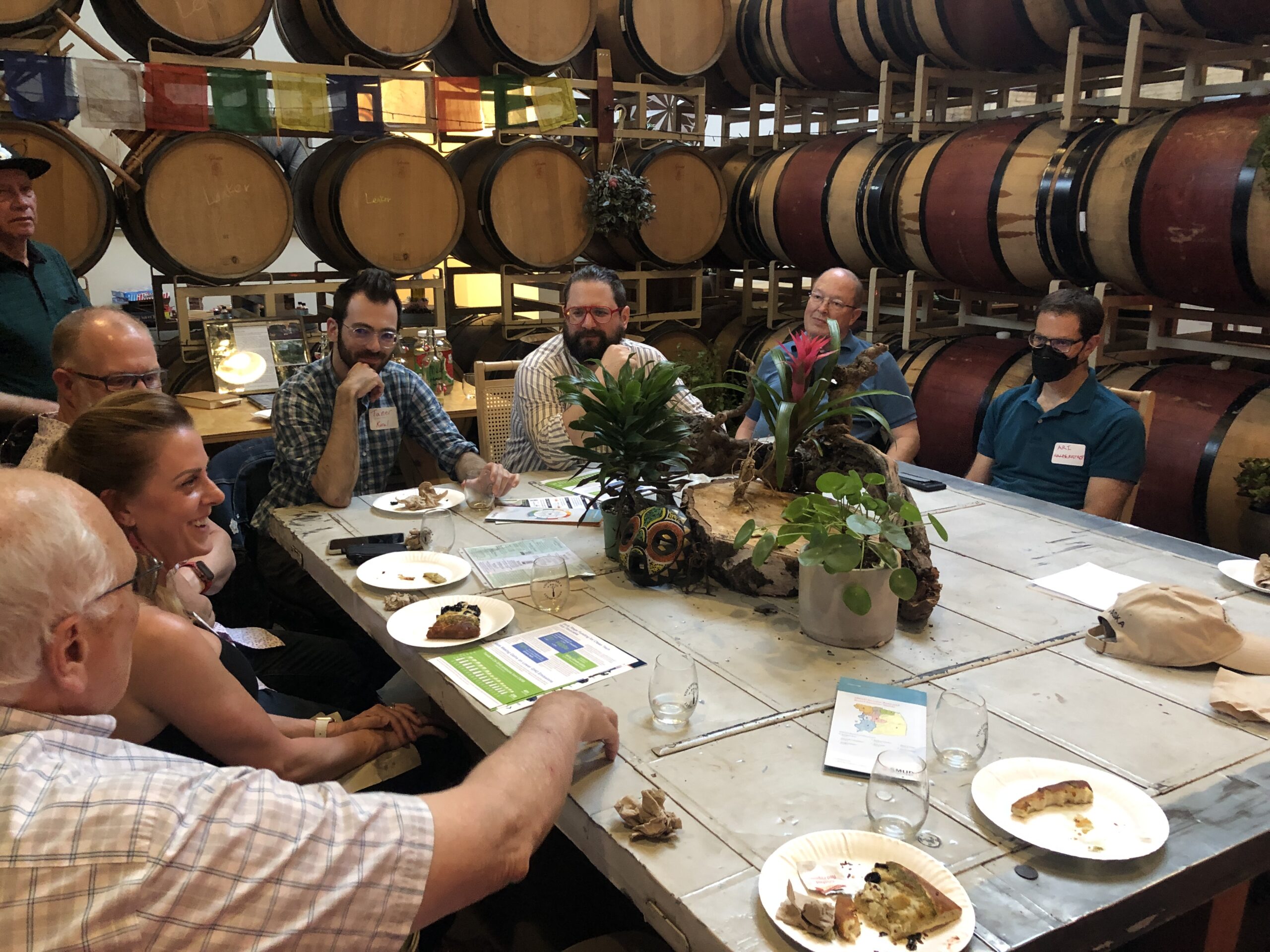
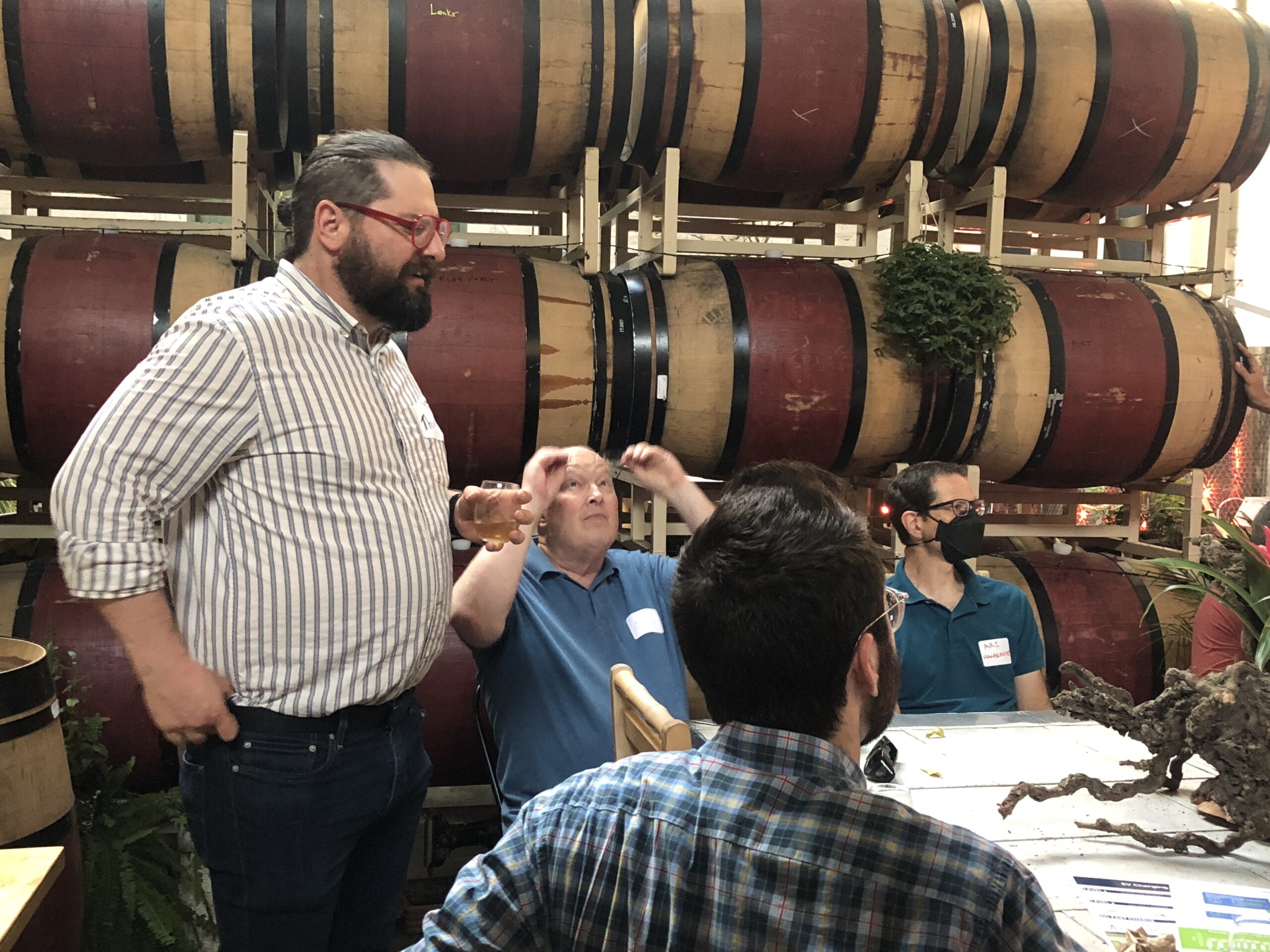
The PowerUp Networking Event, held at Lucide Winery, brought together a dynamic mix of clean energy enthusiasts, entrepreneurs, and policy makers in an atmosphere pulsating with innovation and ideas. Attendees talked about Microgrids, Wind Power, AI energy management and Wine.

Kevin Luther, founder of Lucide Winery, shared his story of innovation in business served as the perfect backdrop for this unique gathering. He highlighted the matching innovation with what customers are willing to pay for. This led to discussions, connecting over wine and clean energy. The event sparked dialogues on reducing carbon footprints, implementing renewable energy sources, and leveraging cutting-edge technologies.

If you missed it, that is ok. We will be back at Lucid Winery on June 22nd. Make Sure to Join us!

The PowerUp Networking Event proved to be a catalyst for change, igniting a spark of creativity and fostering collaborations that would shape a more sustainable future. As attendees departed, they carried with them a shared vision: one where the power of clean energy merges with the timeless beauty of winemaking to create a world that thrives on innovation, sustainability, and a passion for a greener tomorrow.

Kvein Luther talking about innovation
Discussion Energy and WIne
CleanStart Exc. Director Thomas Hall talks clean tech